
Unlocking Agricultural Property Relief (APR)
Unlocking Agricultural Property Relief (APR): what it is and why it is important?
Passing on a family farm or rural estate can be a proud milestone, but it also brings one of the greatest challenges families face - managing Inheritance Tax (IHT). Without careful planning, the financial burden can be significant, often forcing the sale of land or property to meet the tax bill.
Agricultural Property Relief (APR) historically has played a central role. APR can reduce or eliminate IHT on qualifying farmland and property. However, relief is not automatic, and the rules can be complex.
Early planning and expert advice are essential.
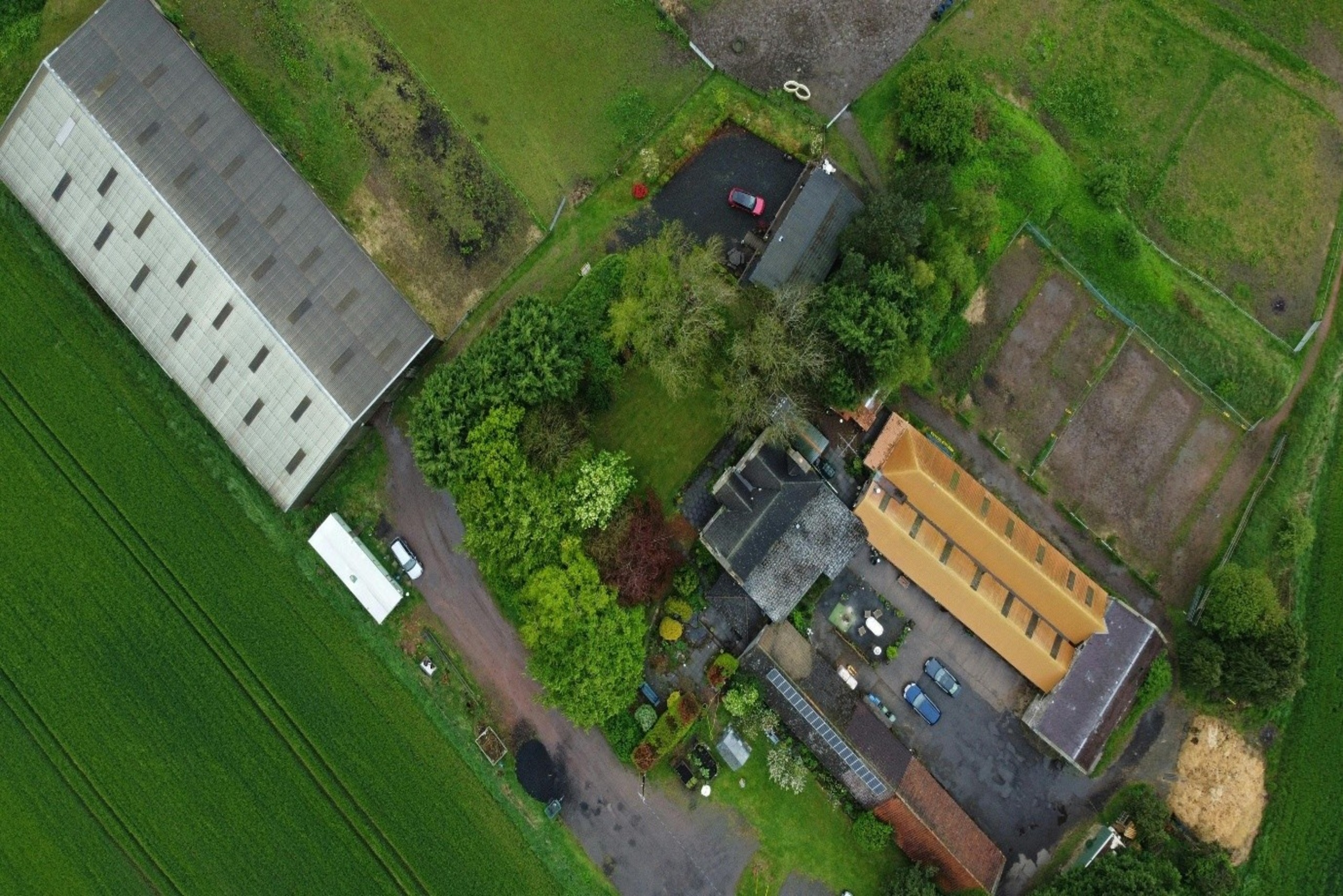
What Is Agricultural Property Relief (APR)?
APR is a valuable IHT relief that applies to agricultural land and property used for farming purposes. By reducing the taxable value of such property, APR helps families to keep their farms and estates intact across generations.
Without APR, the value of farmland and buildings could be taxed at 40% above the nil-rate band, a level that could threaten the viability of a working farm. For this reason, APR is often at the heart of rural estate planning.
What is changing?
From 6th April 2026, the rules around APR will change significantly, making proactive planning even more important:
• 100% relief will be restricted to the first £1 million of combined agricultural and business property
• Above this threshold, relief will fall to 50% of the property’s value
• The £1 million cap will apply per individual and will be index-linked from April 2030
• Instalment options will remain for paying IHT due on agricultural or business assets, with up to 10 years to pay, interest-free on assets that qualified for APR
These reforms mean that families who previously relied on full relief could face substantial tax bills if their planning is not revisited
Who Can Claim APR?
APR may apply to:
• Farmers who own and actively work their land
• Landowners who let their land under a qualifying tenancy
• Beneficiaries who inherit qualifying agricultural property
What counts as Agricultural Property?
Eligible property must be used for genuine agricultural purposes, such as:
• Land used for growing crops or grazing livestock
• Farm buildings and working outbuildings
• Farmhouses that meet HMRC’s criteria for being the centre of a working farm
• Woodland that is ancillary to farmland
• Qualifying agricultural tenancies
Importantly, APR applies only to the agricultural value of the land. If there is development potential (for example, housing), the uplift in value will not qualify
How Much Relief Is Available?
• 100% relief applies where land is farmed by the owner or let under a qualifying tenancy (post-1995)
• 50% relief applies in certain other cases, such as land let under older tenancies
To qualify, the land must generally be owned for:
• 2 years if farmed by the owner, or
• 7 years if let out for agricultural use.
What if APR does not cover everything?
Not all assets qualify for APR. Farm shops, holiday cottages, and diversified rural businesses often fall outside the rules. However, they may qualify for Business Property Relief (BPR), which can provide further protection.
For many estates, a carefully planned mix of APR and BPR can deliver the best outcome but achieving this balance requires early, tailored advice.
Why Planning Is Crucial
The introduction of the £1 million cap makes early and comprehensive estate planning more important than ever. Families should not assume that APR alone will shield them from IHT.
Proactive steps can include:
• Reviewing Wills and ownership structures to make full use of each spouse or civil partner’s APR/BPR allowance
• Updating tenancy agreements to ensure they qualify for relief
• Maintaining detailed records of land use to evidence agricultural activity
• Assessing diversification projects (holiday lets, renewable energy etc.) to determine whether BPR could apply
• Considering lifetime transfers of land or assets to manage exposure and utilise reliefs while available
Most importantly, APR and BPR cannot be considered in isolation, they must be regarded within the wider context of the farm, the family’s financial needs and long-term succession planning.
Protecting the Next Generation
With APR changing in 2026, families should act now. A clear plan, supported by professional tax and legal advice, can mean the difference between a smooth succession or what could be a costly, disruptive tax bill.
Need help navigating APR or planning for the future?
At Aston Shaw, our dedicated tax advisers can help you understand the new rules, review your estate, and design a tailored plan. Whether you are preparing for the future or dealing with a current inheritance matter, we are here to guide you every step of the way.
Please email taxadvisory@astonshaw.co.uk and one of our specialists will be in touch.